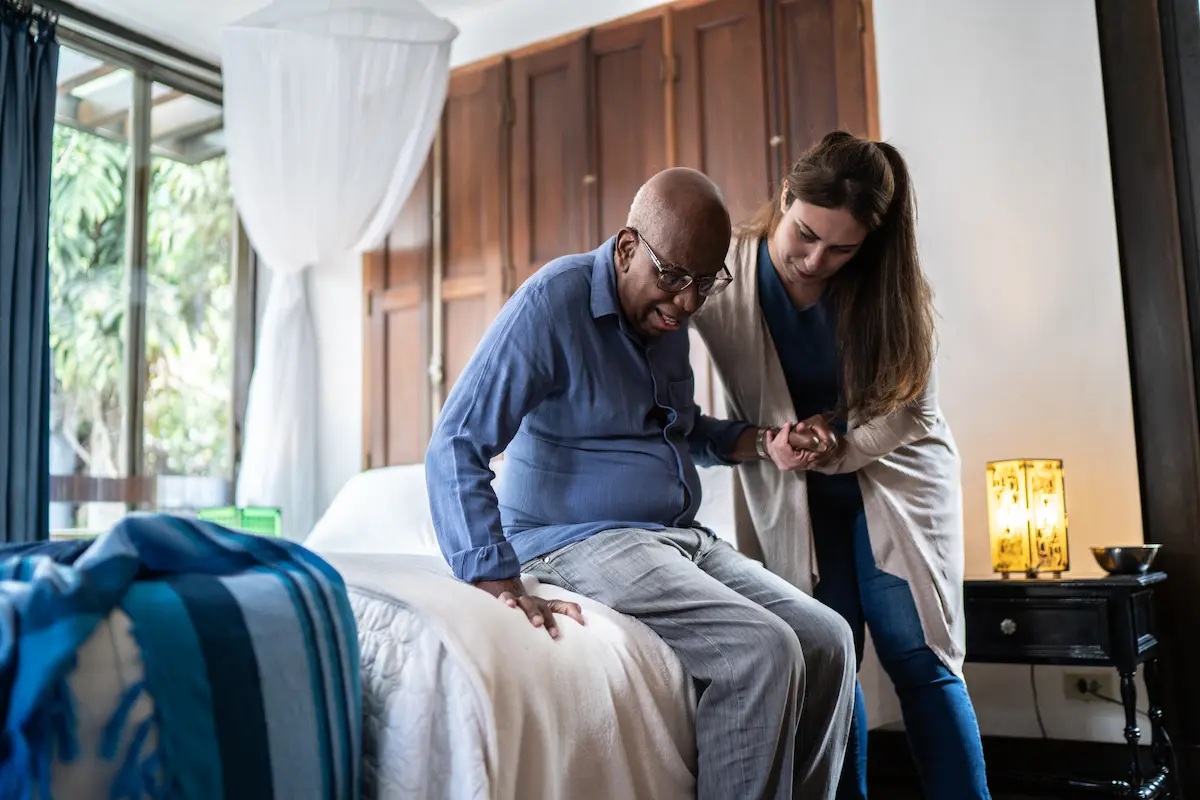
Who pays for bed sore treatment in nursing home? Insurance usually pays first, but if neglect caused the wound, the Ohio nursing home may owe the cost, and your family may have a claim.
Your mother went into a nursing home to be cared for, so why does she have a wound that should never have formed? Families who ask who pays for bed sore treatment in a nursing home are worried about the bill, but the bill is only half the story. A bed sore can raise questions about whether the facility provided appropriate care, and the facility may bear responsibility if neglect contributed to the wound.
What Every Ohio Family Should Know
- Medicare Part A may cover bed sore treatment while a resident stays in the nursing home or moves to a hospital.
- Private health insurance may apply when a resident has no Medicare, and Medicaid may cover care for those who qualify.
- Bed sores are often preventable with appropriate care, although some may be clinically unavoidable.
- When a pressure sore results from neglect, the facility may be made to repay the medical costs through a claim.
- A stage 4 bed sore can expose muscle and bone and bring surgery, infection, and in some cases death.
- When Medicare pays first, a lien may attach to any settlement, and we may be able to reduce it.
- Ohio law gives nursing home residents a right to care that guards against preventable pressure ulcers.
- You could recover more than medical bills, including pain, added care costs, and the cost of a move.
- Ohio sets a filing deadline, so waiting too long could cost you the right to act.
- We handle nursing home neglect cases on contingency, so you pay no fee unless we win.
Who Pays for Bed Sore Treatment in a Nursing Home
Most nursing home residents are older, so Medicare is usually the primary insurance. Medicare Part A may pay for bed sore treatment while a resident is treated inside the facility. Coverage may continue if a resident moves to a hospital for a serious wound.
Medicare Part A may also cover home health care and, in the hardest cases, hospice and palliative care. The insurer that pays first is not necessarily the party legally responsible for causing the injury, which matters later when the facility may owe reimbursement.
Medicare Part B and Private Insurance
Some residents leave the facility for follow-up care but are not admitted to a hospital. Medicare Part B may cover treatment at a doctor’s office in that situation. A resident typically owes part of the cost as coinsurance after the deductible, per Medicare.gov.
When a resident has no Medicare, private health insurance may cover the care instead. A resident who qualifies may also get Medicaid funding toward nursing home costs. If there is no coverage at all, the medical expenses can fall to the resident or the family, and we look at every source before anyone assumes the family owes it.
A Bed Sore as a Never Event
Doctors and federal health regulators sometimes call a bed sore a never event. The label means the wound should not occur when a care facility gives treatment that meets the accepted standard. Repositioning, skin checks, support surfaces, and proper nutrition prevent most pressure ulcers. Healthcare professionals in a nursing home setting are expected to catch early warning signs and prevent bedsores before they reach an advanced stage. Consistent repositioning under a written treatment plan does more to promote healing than any single product.
Federal rules reflect the same idea. The Nursing Home Reform Act requires a facility to prevent pressure sores unless a resident’s condition makes a wound clinically unavoidable. A pressure injury that appears in a skilled nursing facility raises a hard question about the care the resident got.
What Causes a Pressure Ulcer
A pressure ulcer, also called a decubitus ulcer, forms when steady pressure cuts off blood flow to the skin and the underlying tissue. Without blood flow, the tissue starts to die and the skin breaks down. Bed sores can form in as little as two to three hours of unrelieved pressure. Elderly patients and other nursing home patients face special risk because reduced mobility and thinner skin restrict blood flow to pressure points faster than in younger, healthier people. Bedsores in nursing homes are considered largely preventable, and existing pressure ulcers can worsen quickly without proper attention to the affected area.
Some residents carry known risk factors, and good staff plan around them:
- Limited mobility: residents who cannot shift their own weight
- Poor nutrition: malnutrition and dehydration that slow healing
- Fragile skin: thin or moist skin that tears easily
- Long bed rest: hours in one position without a change
- Vascular disease: poor circulation that slows healing and raises the risk of skin breakdown
These risk factors do not necessarilyexcuse a wound. A facility that knows the risk factors is expected to relieve pressure before the skin breaks.
When the Nursing Home Pays
Where and when a bed sore formed can decide who carries the cost. A wound that develops while a resident lives in the facility may raise questions about whether the facility provided appropriate preventive care. In that case, responsibility may shift from Medicare to the nursing home itself. Negligent nursing homes sometimes blame a resident’s frailty for a wound that proper care would have prevented, but a nursing home bedsore that develops under a documented care may warrant review of whether nursing home staff followed the resident’s care plan.
A different facility, such as a hospital or an assisted living facility, could be responsible if the wound started there before a transfer. Our nursing home injury lawyers review the medical records, the care plan, and the repositioning logs to find where the failure happened. Defendants rarely volunteer that answer.
The Staging System and Stage 4 Risks
Bed sores are graded by a staging system, from a reddened surface at stage 1 to deep tissue loss at stage 4. A stage 3 wound reaches the fat layer under the skin. A stage 4 wound can expose muscle, tendon, or bone.
Advanced sores usually need specialized wound care and can lead to serious harm, including:
- Infection: cellulitis, bone infections, or sepsis
- Surgery: wound repair and debridement to remove dead tissue
- Long-term care: extended hospital stays and slow healing
- Death: from life-threatening infections in the most severe cases
A deeper wound may require more extensive care and can warrant closer review of how the injury developed and progressed. A stage 3 or 4 pressure wound can also require specialized wound care long after a resident leaves the facility, including therapy for severe complications and serious injuries that follow infection or surgery.
The Lien on a Settlement
Families are usually surprised by what happens after they recover money. When Medicare pays for treatment first, the Centers for Medicare and Medicaid Services may have a right to reimbursement from a settlement, judgment, or other payment.
The amount can sometimes be reduced. Our lawyers work to lower the lien so more of the recovery stays with you. We also press for money to cover future treatment, not just the bills already paid.
Ohio Law on Resident Care
Ohio gives nursing home residents a written set of protections. Under the Ohio Nursing Home Residents’ Bill of Rights, R.C. 3721.13, a resident has the right to a safe and clean living environment and to adequate and appropriate medical and nursing care. The same statute covers the right to have bed sheets changed as the need arises for comfort and sanitation.
The law also creates a private right of action. Under R.C. 3721.17(G)(1)(a), a resident whose rights are violated may take legal action against the home, and the statute allows compensatory and punitive damages. A preventable pressure ulcer may support that kind of claim and help hold a facility accountable.
How to Choose a Nursing Home Neglect Lawyer
Not every law firm handles nursing home abuse and neglect claims regularly, and bed sore lawsuits reward a lawyer who knows how to read a chart. A few checks help before you sign anything.
- Standing: confirm the lawyer is licensed and in good standing with the Ohio bar.
- Trial record: ask how many nursing home negligence cases the lawyer has tried, not only settled.
- Medical review: ask whether an experienced legal team reviews records with medical staff who understand pressure ulcer prevention.
- Comparison: talk with more than one law firm before you decide.
Many nursing home residents and their families never learn a claim was possible until someone explains where the record shows nursing home staff failed. A nursing home abuse lawyer who has tried these cases can tell you early whether the facts support a claim.
What You Could Recover
A neglect claim can reach far beyond the treatment bill. Depending on the facts, an injured resident or the family may be able to recover:
- Medical bills: past wound care, surgery, and hospital stays
- Future care: ongoing treatment and therapy
- Pain and suffering: physical pain and emotional harm
- Scarring: disfigurement from a deep wound
- Relocation: the cost of moving to a safer facility
If a bed sore contributes to a death, the family may be able to bring a wrongful death claim under R.C. 2125.02 for their losses.
Ohio Deadlines to File
Ohio sets a short window to act, and it can be shorter than families expect. Courts usually treat a nursing home care claim as a medical claim under R.C. 2305.113, which carries a one-year deadline from when the claim accrues. A claim tied to a resident’s plan of care, such as repositioning to prevent skin breakdown, may fall under the same one-year rule.
A wrongful death claim generally must be filed within two years under R.C. 2125.02. The deadlines are strict, and the right facts decide which one applies. Talk with a lawyer early so a filing date does not slip away.
Contingency Fees and Your Costs
Worry about cost should not stop a family from getting answers. We handle nursing home neglect cases on a contingency fee, which means you pay no fee unless we win money for you. The fee comes as a share of the recovery, agreed in writing before we start.
Clients may be responsible for case costs and expenses, regardless of outcome. We go over every cost with you up front, so nothing comes as a surprise.
Talk With Rectifi About Your Loved One’s Bed Sore
A bed sore is painful to see and hard to talk about, and you should not sort out the bill alone. Our lawyers can review the medical records, explain who may owe the cost, and tell you whether neglect played a part. Call Rectifi for a free consultation, and learn how our nursing home injury lawyers and personal injury lawyers may be able to help.
Frequently Asked Questions
Does the nursing home ever pay the bill directly?
Usually insurance pays first, then the facility may repay the cost through a claim if neglect caused the wound. The money usually comes from the home’s insurer as part of a settlement or verdict.
How fast can a bed sore form?
Bed sores can develop in as little as two to three hours of unrelieved pressure. Staff should reposition residents as clinically appropriate based on their condition, risk factors, and individualized care plan.
Can a bed sore be the resident’s own fault?
A wound that developed before admission may not be attributable to the nursing home, although the facility remains responsible for providing appropriate care after admission. Once a resident is under a facility’s care, staff are expected to prevent bed sores with proper attention.
What proof helps a bed sore case?
Medical records, the care plan, and repositioning logs can show whether staff acted. Photos of the wound over time and staffing records can add weight.
Is a bed sore claim the same as medical malpractice?
Not always, though the two overlap. Ohio may treat a nursing home care claim as a medical claim under R.C. 2305.113, which affects the filing deadline.
Does the Nursing Home Reform Act require bed sore prevention?
Yes, the federal law requires a facility to prevent pressure ulcers unless a resident’s condition makes a wound clinically unavoidable. A failure to follow that standard may support a neglect claim.
Does nursing home abuse cause bedsores, or is it always neglect?
Most bed sores trace back to neglect and poor care — a missed repositioning schedule or ignored risk factors — rather than intentional nursing home abuse, though neglect and abuse can occur together. Either way, a resident who did not get proper medical care to prevent developing pressure injuries may have a claim. Call Rectifi for a free consultation to find out which applies to your family.
Will Medicaid cover bed sore treatment?
Medicaid may cover care for a resident who qualifies, usually alongside or after Medicare. A dual-eligible resident may have a share of cost applied by the facility under Ohio Medicaid rules.
What if my loved one died from a bed sore?
The family may be able to bring a wrongful death claim under R.C. 2125.02. The claim can seek losses tied to the death, and the deadline is generally two years.
Do I need a lawyer to deal with the lien?
You are not required to have one, but a lawyer can potentially reduce a Medicare lien. A lower lien means more of the recovery stays with your family.
Responsible attorney: Bobby DiCello, 8160 Norton Parkway, Mentor, Ohio 44060
DISCLAIMER:
Rectifi.law, personal injury lawyers, provides all website content for general informational purposes only. Content is not legal advice and does not create an attorney-client relationship. Do not act, or refrain from acting, based on anything you read without consulting a licensed attorney about your own situation. No outcome can be predicted or guaranteed. Prior results do not guarantee a similar outcome.